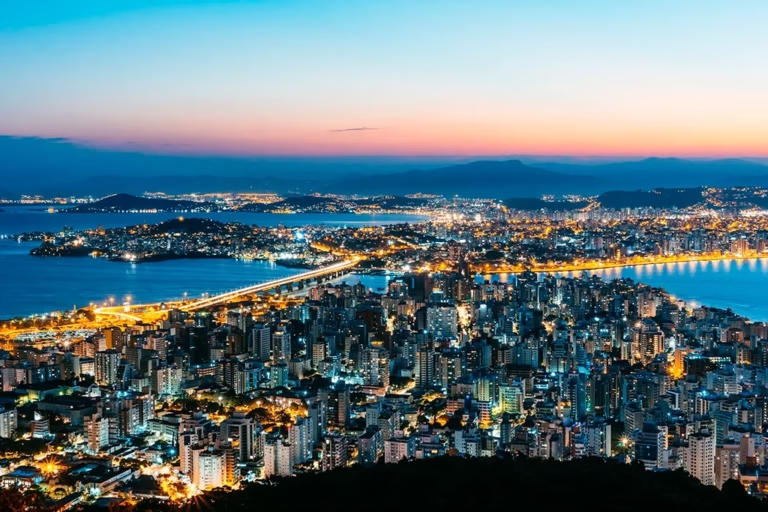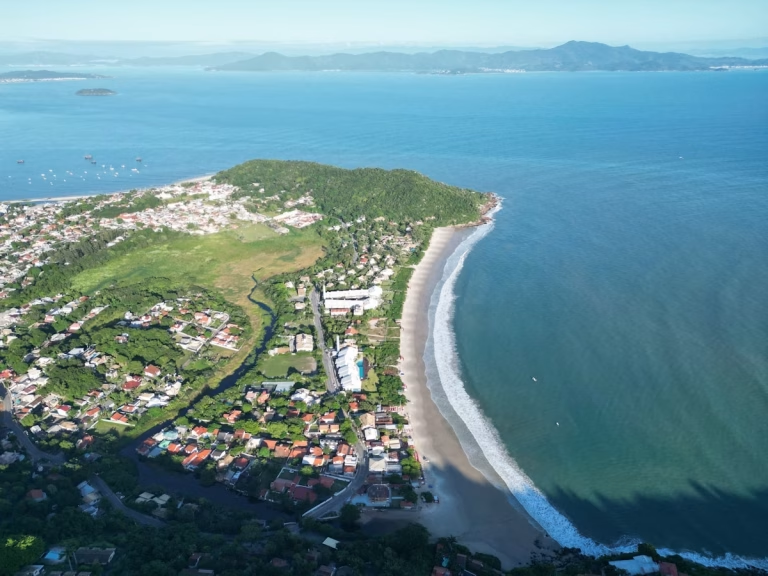
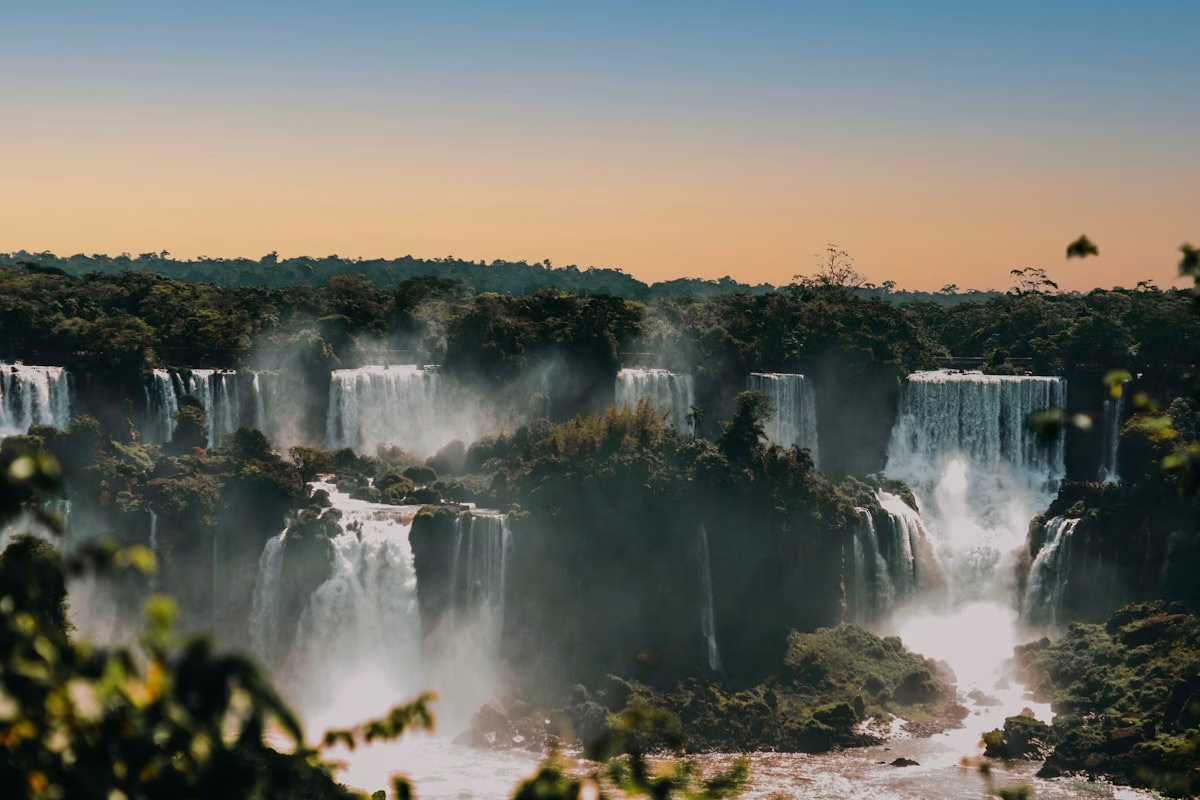
If you search “what to do in Florianópolis” today, Google returns nearly the same list: most-visited attractions, local cuisine, best time to travel. It’s the usual summer vacation route. Few guides name what sustains that list underneath: a terrain of trails, dunes, and waterfalls that makes the island one of few places in Brazil where Atlantic Forest, rocky coastlines, and shifting sand coexist within minutes of each other.
This is ecotourism in Florianópolis. It’s not a separate itinerary—it’s the natural foundation of what most visitors already traverse without stopping to notice.
What Is Already Documented and What Still Needs Measurement
Official tourism guides have documented the essentials for years: trails through the Atlantic Forest, mobile dunes exposed to wind, waterfalls amid native vegetation, and more than 40 beaches scattered across the island. No one who has visited the city disputes this foundation.
What’s missing is quantitative depth. How many conservation units exist within the island’s borders? What is the exact area of Atlantic Forest preserved? [verify] — these figures don’t appear in the sources consulted for this guide, and it’s worth confirming before treating them as settled data in any material published after this.
Trails: The Most Accessible Entry Point
Among trail, waterfall, and dune, the trail is usually the easiest entry point for those spending just a few days on the island. It requires no specialized gear, fits into a half-day outing, and connects residential neighborhoods to forest stretches that, in other capitals, would be hours away from the urban center.
This proximity is, in practice, what sets Florianópolis apart from other beach destinations in Brazil. You don’t have to choose between city and nature: both share the same radius of just a few kilometers.
This explains why the topic appears so rarely in the most-searched tourism guides on Google. Someone searching “what to do in 3 days in Floripa” is after a compact itinerary, easy to fit between check-in and check-out. In that context, trails become a footnote—something you do “if time permits”—when in reality it’s part of the landscape the visitor is already admiring from the car window or hotel balcony.
Waterfalls: The Freshwater Counterpoint to the Island
While the traditional summer route revolves around the ocean, waterfalls offer the freshwater counterpoint. It’s worth confirming access and seasonal conditions before any visit, since trails to waterfalls tend to vary significantly between dry and rainy seasons. It’s a detail the “what to do in 3 days” guides almost never mention, because it doesn’t fit into a quick-pass itinerary.
It makes sense. A waterfall demands time: access via trail, attention to time of day, willingness to get wet. It’s the opposite of the quick consumption of a lookout or an easy-access beach by car. This profile tends to attract a specific visitor type—someone willing to trade convenience for experience, who has typically returned to the island more than once before considering moving there.
Dunes: Landscape That Shifts With the Wind
Mobile dunes may be the most photographed and least explained element. They form and shift through constant wind action—the same wind that sustains the island’s adventure sports tourism, with favorable conditions for sports like kitesurfing and windsurfing for much of the year. It’s no coincidence: the same coastal terrain that produces dunes also produces steady wind strong enough to draw practitioners of those sports to the city.
More Than 40 Beaches as Backdrop
No conversation about nature in Florianópolis closes without mentioning the beaches—more than 40 of them, scattered across the island, each with its own microclimate and access type. It’s this number that explains why beach tourism remains, by far, the most-searched topic about the city: the variety is real, not marketing exaggeration.
But treating Florianópolis solely as a beach destination is to miss the rest of the picture. The same geographic conditions that generate so many beaches—irregular terrain, preserved native vegetation, rocky coastline and restinga side by side—also produce trails, waterfalls, and dunes. It’s a single natural system, not four separate attractions.
This abundance of beaches is precisely why ecotourism rarely appears labeled as its own category in search results. When the topic already dominates the imagination of those researching the city, it’s hard to open editorial space for what sustains it beneath the surface. The problem isn’t a lack of generic tourism content—it’s a lack of content explaining the connection between the elements.
Why This Angle Matters to Those Considering Moving to the Island
Those searching for property in Florianópolis rarely choose their neighborhood solely for proximity to the hottest beach. A significant portion decides based on proximity to a park, an easy-access trail, or a reserve that preserves the surrounding landscape. Understanding the island’s ecological profile helps explain what motivates some of the demand for addresses near the forest, and why some island regions maintain building restrictions and, consequently, a quality of life different from the rest of the city.
The same reasoning applies to other tourism profiles in the city: those arriving for business, sport, or faith tend to seek residence near what motivated their initial connection to Florianópolis. For the full picture of these profiles, far beyond the beach route, check learn more.
Frequently Asked Questions
What sustains ecotourism in Florianópolis?
Trails, dunes, waterfalls, and more than 40 beaches scattered across the island form the physical foundation of local ecotourism, a profile already well documented by traditional tourism guides and independent of seasonality for its existence, although access to specific sites, such as waterfalls, varies by season.
Does Florianópolis have official data on preserved Atlantic Forest area or the number of conservation units?
Consolidated quantitative data on this was not found in the sources consulted for this guide. It’s worth confirming this figure with environmental agencies or the city government before treating it as settled fact in any future material.
Are the dunes of Florianópolis connected to the sports practiced in the city?
Yes, indirectly. The same coastal terrain and steady wind that form and shift the dunes also sustain sports like kitesurfing and windsurfing on the island—phenomena that share the same geographic origin.
Is it worthwhile to visit waterfalls in Florianópolis year-round?
Access and conditions of trails to waterfalls tend to vary between dry and rainy seasons. It’s worth checking the local situation before any visit, especially outside peak season.
Does ecotourism influence neighborhood choice for moving to the island?
For a portion of those seeking property in Florianópolis, yes. Proximity to trails, parks, or preservation areas tends to carry as much weight as beach proximity in deciding where to live.